Camping With Toddlers: Sleep, Safety and Health Tips for Parents
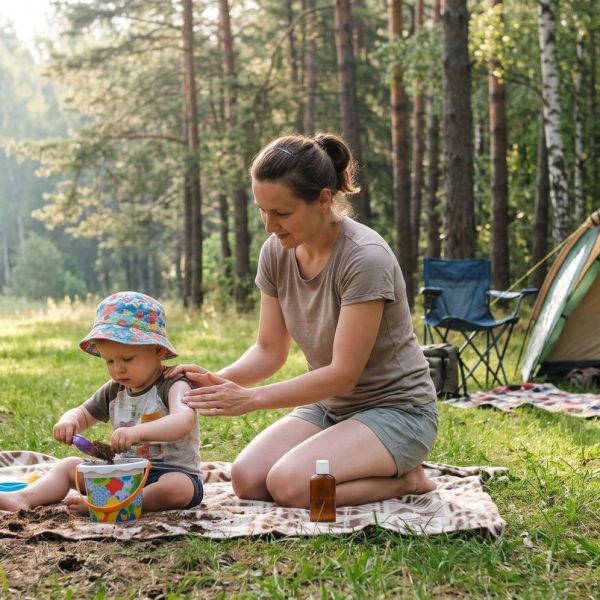
Taking a toddler camping can sound like a recipe for chaos. Toddlers are curious, fast and have strong opinions about sleep. But many families find that children between one and three years old actually love camping. Everything is new and exciting: the dirt, the sticks, the tent zipper, the birds. With the right preparation, a camping trip with a toddler can be calm, healthy and a lot of fun.
This guide focuses on the three things parents worry about most: sleep, safety and health.
Start With a Short, Easy Trip
For a first trip, choose a campground close to home with clean toilets, running water and a flat site. One night is enough. If it goes badly, you can be home in an hour. If it goes well, you will be ready for a longer trip next time.
A practice night in the backyard is especially helpful with toddlers. They get used to the tent, the sleeping bag and the sounds of the night while home is just steps away.
Sleep: Keep the Routine
Toddlers sleep best when things feel familiar. Bring the pieces of their bedtime routine with you:
- The same pajamas, sleep sack or blanket they use at home
- Their favorite stuffed animal and bedtime books
- A portable white noise app or small speaker, if they use one
- A travel crib, toddler bed or familiar mattress pad
Keep bedtime close to the usual time, even if it is still light outside. A tent with dark fabric or a simple blackout cover helps on long summer evenings. Expect the first night to be a little restless, and do not worry if the schedule slips. Many toddlers sleep better on the second night, after a full day of fresh air.
Plan Around Naps
A tired toddler is a grumpy toddler, so protect nap time. Plan hikes and outings for the morning, then head back to camp for lunch and a nap. Some toddlers nap well in the tent, others in a carrier on a gentle walk or in a stroller in the shade. If your child naps in the car at home, a short drive at nap time can also work. Keep the afternoon calm and save the big activities for after they wake up.
Keep Them Warm, Not Too Warm
Toddlers cannot always tell you they are cold. Nights outdoors can drop quickly, even in summer. Dress them in layers: a base layer, warm pajamas and a fleece sleep sack, plus a hat if it is chilly. Feel the back of their neck or their tummy to check their temperature. If it feels cold, add a layer. If it feels sweaty, remove one. Knowing the early signs of hypothermia, such as shivering, unusual tiredness and pale skin, is useful for any outdoor parent.
Avoid loose blankets and pillows for very young toddlers, and follow the same safe sleep habits you use at home.
Safety: Set Up a Toddler-Safe Camp
Toddlers move fast and put things in their mouths. Before you unpack, walk around the site and remove anything dangerous: broken glass, sharp sticks, small stones, mushrooms and berries. Then:
- Choose a site away from water, roads and steep drops.
- Set up a play area, like a large blanket or a portable play yard.
- Keep the campfire small and assign one adult to watch the toddler whenever it is lit.
- Store fuel, matches, knives and cleaning products out of reach.
- Dress your toddler in bright colors so they are easy to spot.
- Use a toddler carrier on hikes and walks near hazards.
The most important rule is simple: always know which adult is watching the toddler. Say it out loud when you hand over: "You have her now."
Health: Sun, Bugs and Hand Washing
A little planning prevents most camping health problems:
- Sun: use a broad-spectrum sunscreen, a wide-brimmed hat and shade during the middle of the day.
- Bugs: choose an insect repellent labeled as suitable for your child's age, and dress them in long, light clothing at dusk.
- Ticks: check your toddler's skin, hair and creases every evening.
- Hand washing: toddlers touch everything. Wash hands before eating with soap and water or baby wipes.
- Water: offer drinks often, especially on hot days and after active play.
Pack a first aid kit with children's pain and fever medicine, bandages, tweezers, a thermometer and any medicines your toddler takes. Know where the nearest clinic or hospital is before you go.
Food Made Easy
Bring familiar foods and plenty of snacks. Pouches, soft fruit, crackers, cheese and pre-cooked pasta are easy wins. A clip-on high chair or a booster seat that straps to a camp chair makes mealtimes much easier. Keep a cooler cold and throw out milk or leftovers that have been warm for too long.
Keep Them Busy
Toddlers do not need complicated activities. A bucket and a spade, a few trucks for the dirt, bubbles, a ball and a magnifying glass can fill hours. Short walks to look for birds, pinecones and puddles feel like big adventures. For more ideas on camping with toddlers and older children, a Times Bay guide suggests choosing a camping style that fits your children's ages and keeping activities simple, such as short trails, bug exploring and nature art.
Lower Your Expectations, Raise the Fun
Camping with a toddler will not look like the camping you did before kids. You will move slower, nap more and spend a lot of time on a blanket looking at ants. That is fine. Keep the trip short, protect sleep, set up a safe camp and pack for health. The smiles, the dirt-covered hands and the first night under the stars will make it all worth it.